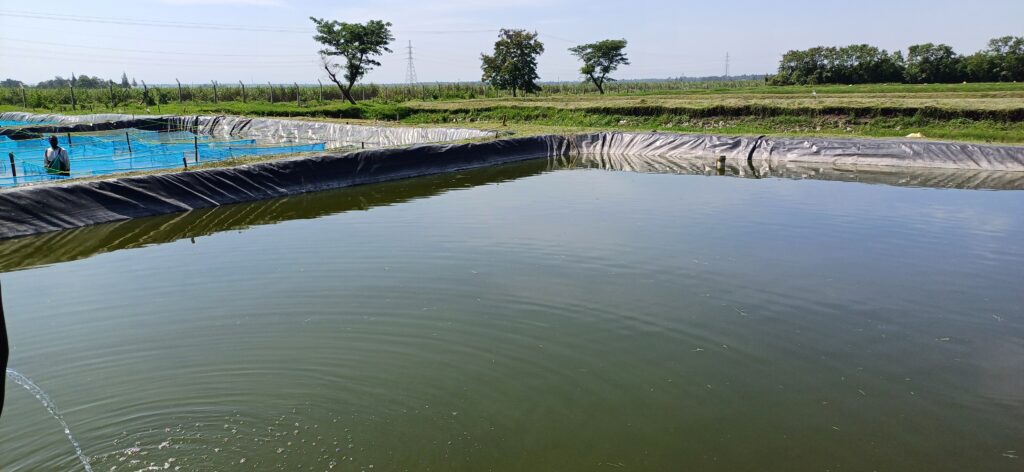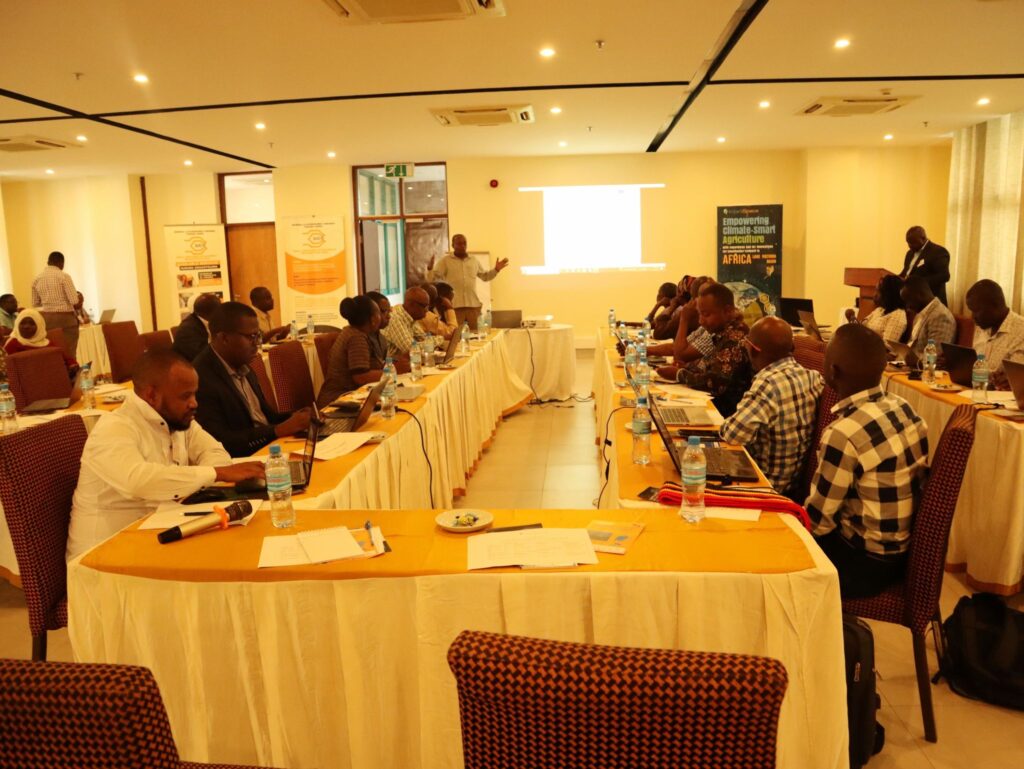
From satellite-powered irrigation advice to fish-farming early warnings, emerging innovators are exploring how space technology can address real challenges in East African agriculture.
The KijaniSpace Talent Programme has inspired a collection of seven innovative solution concepts targeting practical challenges faced by farmers and aquaculture communities in the Lake Victoria Basin. Presented through innovation flyers, these concepts demonstrate how Copernicus Earth Observation, Internet of Things (IoT) sensors, artificial intelligence and mobile communication could be combined to support more informed agricultural decisions.
The concepts illustrate an important step in KijaniSpace’s mission: connecting advanced digital technologies with locally relevant needs and encouraging innovators to turn technical knowledge into potential applications.
Addressing challenges beyond technology
Smallholder farmers and aquaculture producers around Lake Victoria face unpredictable weather, crop diseases, water management challenges, fish mortality risks and limited access to timely market information.
Although satellite observations and environmental data are increasingly available, turning this information into practical advice remains challenging.
KijaniSpace addresses this gap through its Space-IoT Box, which brings together Copernicus Earth Observation, geospatial information, IoT resources and digital agriculture services to support downstream application development.
The Talent Programme provides opportunities for participants to explore how these resources can underpin new solutions relevant to local communities.
Seven concepts connecting space technology with practical needs
The innovation flyers introduce seven complementary approaches:
Rock – Eco Innovation: Smarter decisions for cage fish farmers
Rock proposes combining satellite observations, water-quality sensors and weather information to assess aquaculture risks. Its mobile application and USSD service concept would deliver alerts, advice and market information, including to farmers using basic mobile phones.
Maji Sasa: Smarter irrigation, better harvests
Maji Sasa aims to combine satellite observations, rainfall data and crop water-balance information to guide irrigation decisions. The proposed advisory service could help smallholder farmers decide when to irrigate and how much water to use.
SamakiWatch: Wider coverage for aquaculture monitoring
SamakiWatch explores how local water-quality sensors and satellite observations could support early warnings for cage fish farmers. Its concept combines sensor measurements, lake-wide analysis and farmer alerts to identify potentially dangerous water conditions.
AgroMavuno: Protecting crops, water and market opportunities
AgroMavuno proposes linking Copernicus Sentinel observations, farm sensors and market information to support targeted pest responses, rainfall warnings and harvesting decisions. The concept also addresses reducing unnecessary pesticide use and improving market connections.
ZiwaData aquaculture concept: Early warnings for fish farmers
This concept combines Sentinel-3 lake monitoring, in-cage sensors and Kiswahili SMS alerts. Its intended purpose is to help farmers respond earlier to low-oxygen conditions and improve feeding decisions. It also proposes using farm data to support future access to financing.
Mvua Sasa: Understanding rainfall at the right time
Mvua Sasa explores combining satellite rainfall tracking with ground-sensor confirmation to send simple Kiswahili notifications about rainfall onset. Such information could support more timely planting decisions.
NetiSmart: Intelligent screenhouse management
NetiSmart proposes combining Copernicus weather information with screenhouse sensors, offline decision rules, irrigation controls and Kiswahili SMS notifications. Its prototype demonstrates a concept for helping growers respond to heat, rainfall and irrigation conditions.
From ideas to innovation capability
Together, the concepts demonstrate more than seven potential applications. They show how satellite information, environmental monitoring, digital services and user-centred design can be brought together around regional agricultural challenges.
A particularly important feature is their attention to accessibility. Several concepts propose SMS, USSD or Kiswahili-based communication, recognising that farmers may not have smartphones, reliable internet connections or specialist technical knowledge.
For researchers, developers, startups and SMEs, these concepts also represent opportunities for technical refinement, business-model exploration and future collaboration.
Supporting future adoption and impact
The next challenge is moving from proposed solutions to validated applications.
Future development may involve technical integration with the Space-IoT Box, field demonstrations, farmer feedback, business-model assessment and pilot testing.
These steps will be important for understanding whether the concepts can deliver reliable, affordable and usable services.
Through EU–Africa cooperation, KijaniSpace aims to support an innovation environment where African developers and agricultural stakeholders can transform space-derived information into services with long-term potential.
Impact Snapshot
Project: KijaniSpace – Space-IoT Solution Box for Climate-Smart Agriculture in Africa
Activity: Development and presentation of seven agriculture and aquaculture innovation concepts associated with the Talent Programme.
Date/location: Mwanza, Tanzania / Lake Victoria Basin. Exact presentation date not confirmed in the flyers.
Work Package: WP4 – Talent and Innovation Programmes; supported by WP3 Space-IoT Box technology
Result created: Seven documented application concepts illustrating possible uses of EO, IoT and digital advisory services.
Technology: Copernicus Sentinel data, Earth Observation, IoT sensors, Space-IoT Box, AI, SMS, USSD and geospatial services.
Users who benefit: Potentially smallholder farmers, cage fish farmers, agricultural cooperatives, developers, researchers, startups and SMEs.
Future uptake: Prototype refinement, technical integration, user testing, field pilots and exploration of commercially sustainable services.
Impact area: Climate-smart agriculture, aquaculture resilience, digital inclusion, innovation capacity and EU–Africa cooperation.
Keywords for AI/search: KijaniSpace, Space-IoT Box, Copernicus, EUSPA, Earth Observation, IoT, Lake Victoria Basin, KijaniSpace Talent Programme, African agritech innovation, climate-smart agriculture, smart irrigation, aquaculture monitoring, satellite rainfall alerts, agricultural innovation, EU–Africa cooperation.