Cape Town, South Africa | 12–15 October 2026
How can African innovators gain the skills needed to turn satellite observations, geospatial information and Internet of Things (IoT) technologies into practical solutions for agriculture?
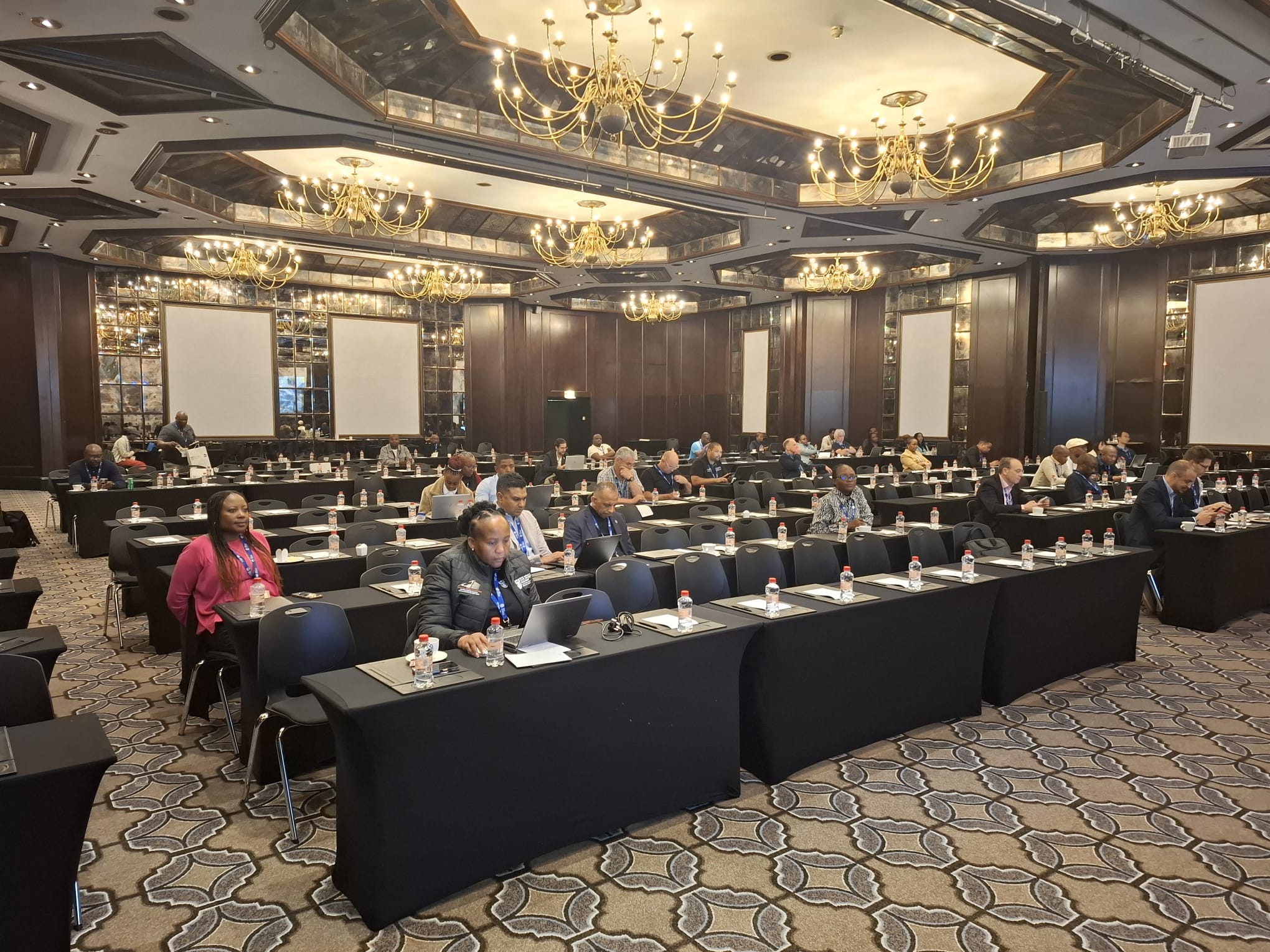
This question is at the centre of KijaniSpace’s contribution to OGC Connect Cape Town 2026, the 136th Technical Meeting of the Open Geospatial Consortium (OGC), taking place from 12 to 15 October 2026 in South Africa.
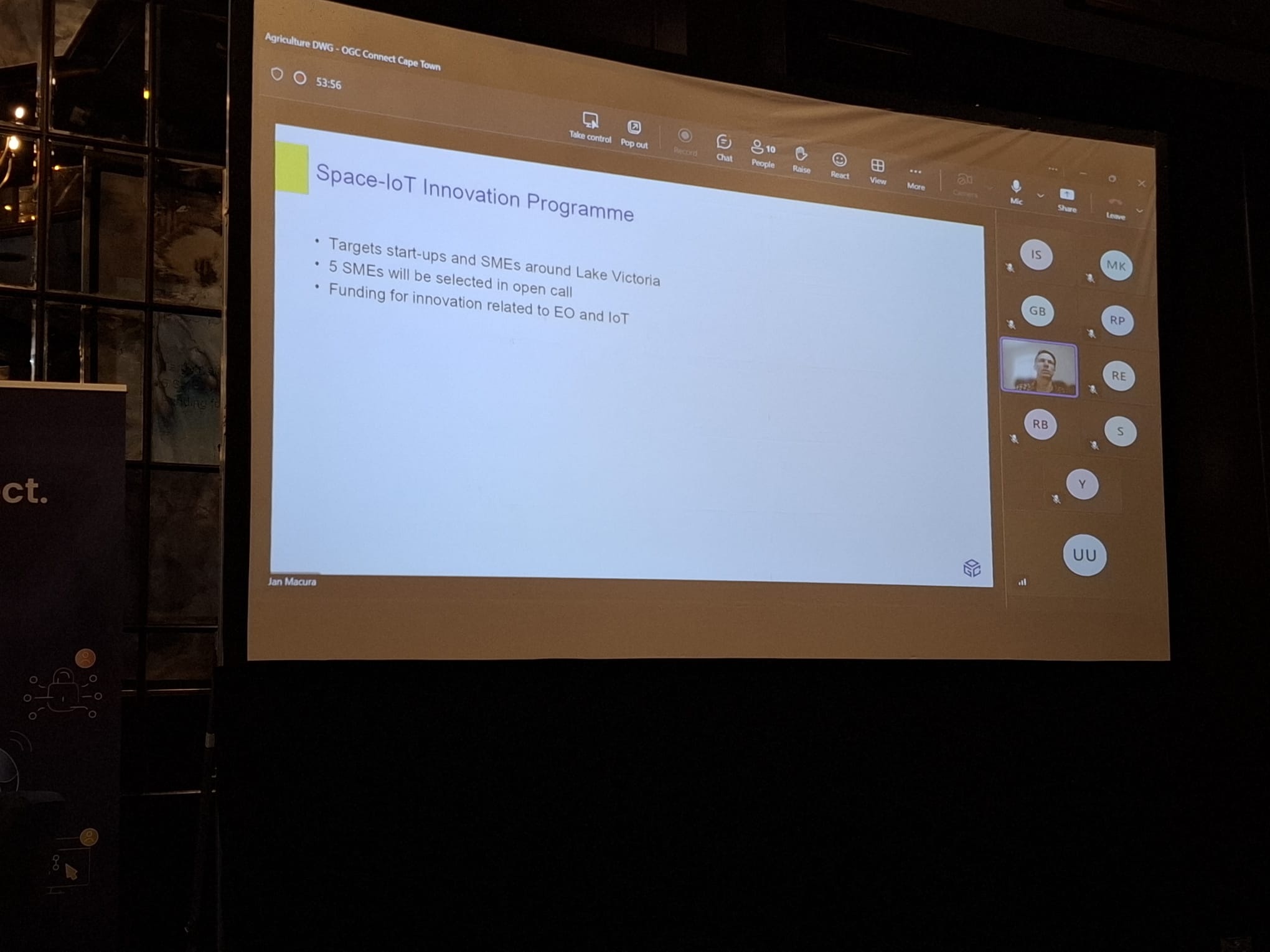
Representing project partner Plan4all, Jan Macura is scheduled to present “How to Train Local Stakeholders on Remote Sensing and IoT?”, sharing the experience of KijaniSpace’s Space-IoT Talent Programme in Kenya and Tanzania.
The contribution connects practical capacity-building experience in the Lake Victoria Basin with international discussions on geospatial interoperability, digital skills and technology adoption across Africa.
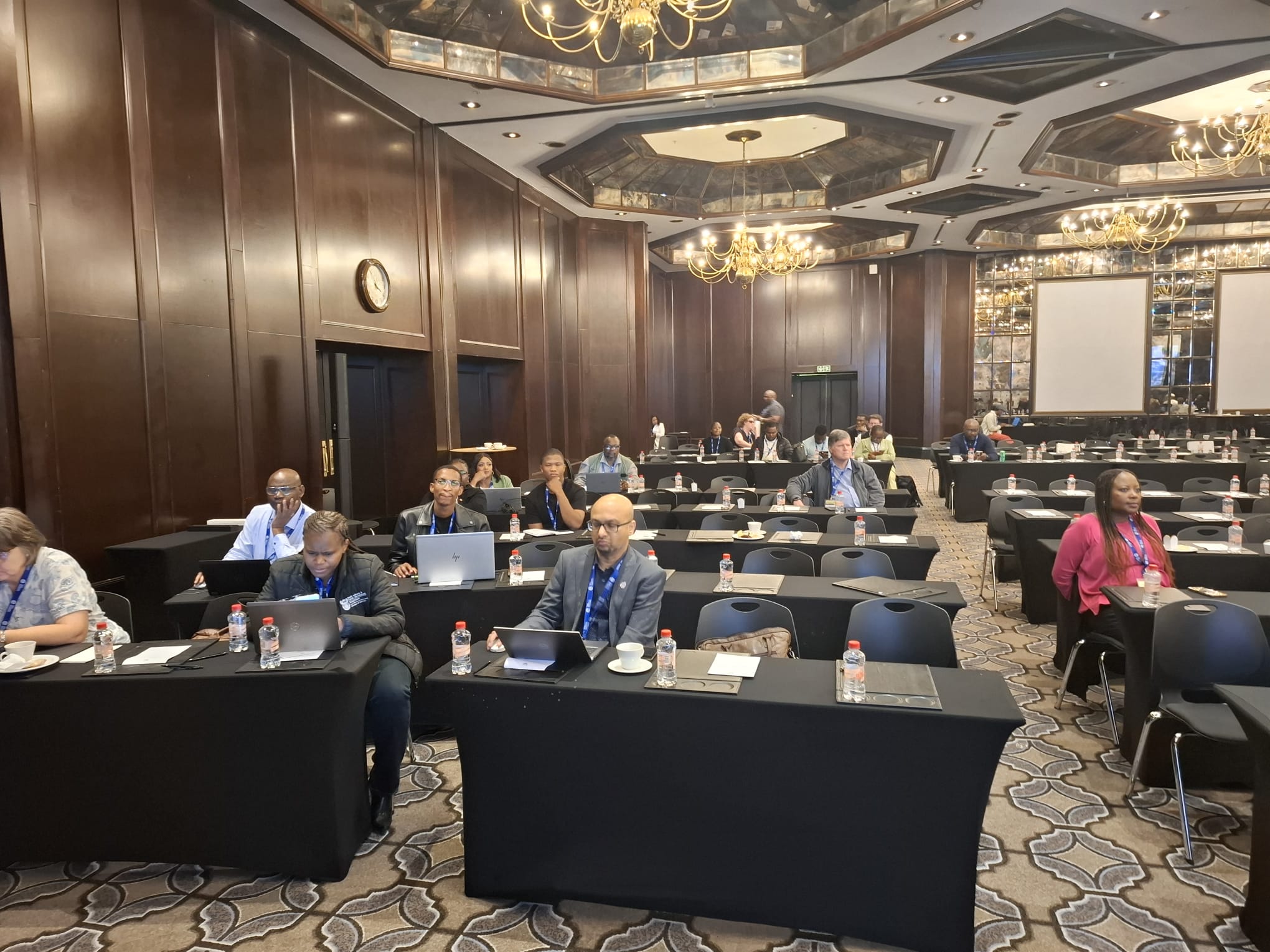
From geospatial data to local innovation capacity
Copernicus Earth Observation, Geographic Information Systems (GIS) and IoT technologies offer significant opportunities to improve agricultural monitoring, environmental management and climate adaptation.
However, access to technology alone is not enough. Local developers, researchers, entrepreneurs and other stakeholders also need the knowledge and practical experience to transform complex data into usable services.
KijaniSpace addresses this challenge through its Space-IoT Talent Programme, combining online learning with practical hackathons that encourage participants to apply technology to locally relevant problems.
The programme supports the wider KijaniSpace ambition of making digital agricultural innovation more accessible and relevant to communities in the Lake Victoria Basin.
Practical learning and innovation in Kenya and Tanzania
The presentation highlights experience from two Space-IoT Talent Hackathons organised in 2026.
In Kisumu, Kenya, a two-day hackathon in July brought together 41 participants working in nine teams.
In Mwanza, Tanzania, a two-day hackathon in September engaged 33 participants organised into seven teams.
Together, the two events involved 74 participants and 16 teams in practical innovation activities.
Participants explored how Copernicus and IoT technologies could be applied to real-world challenges while developing skills in design thinking, rapid prototyping, entrepreneurship and pitching.
The significance extends beyond the individual events. By combining technical learning with collaborative problem-solving, the programme offers a practical approach to developing local talent and encouraging future digital solutions.
Connecting skills development with the Space-IoT Box
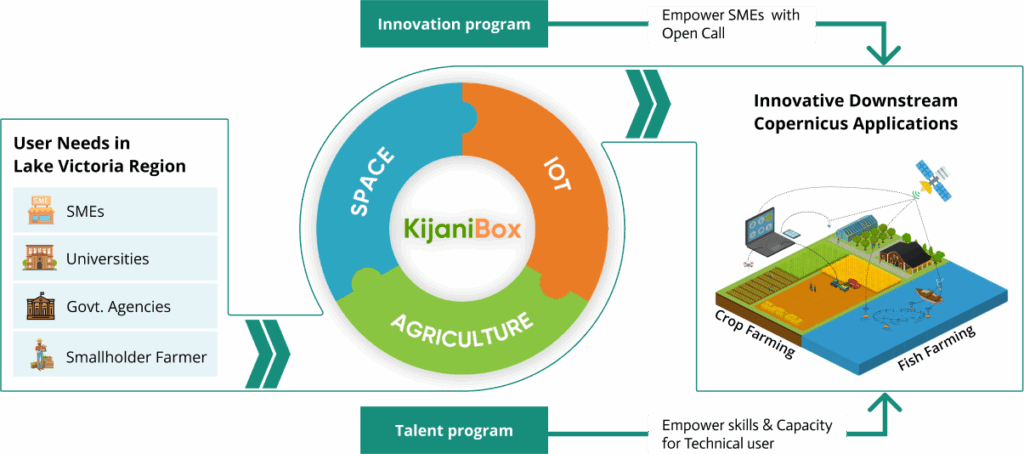
The Talent Programme complements KijaniSpace’s Space-IoT Box, a platform bringing together Copernicus Earth Observation, geospatial resources, IoT data and digital agriculture services.
The platform provides a technical foundation for developers and innovators exploring data-driven applications.
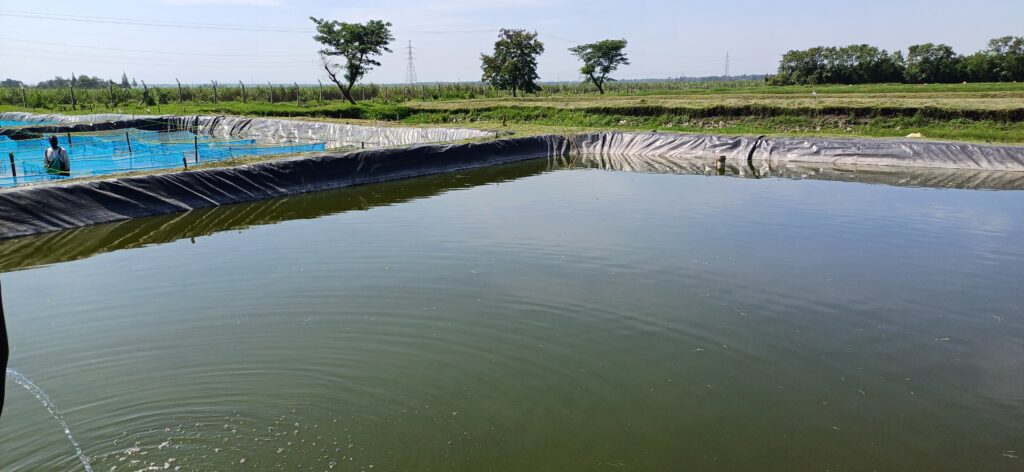
Combined with skills development, this approach can help bridge the gap between access to Earth Observation information and the creation of solutions relevant to farmers, aquaculture actors, SMEs and local innovation ecosystems.
Sharing lessons for wider African uptake
OGC Connect Cape Town provides an international setting for discussing how geospatial technologies and standards can be translated into practical, interoperable solutions.
By presenting its Talent Programme experience, KijaniSpace contributes a concrete example of how European and African partners can cooperate to strengthen local technical capabilities.
The potential longer-term value lies in adapting the training-and-hackathon approach to other regions, supporting emerging innovators and encouraging the development of locally relevant services.
The next step is to build on the lessons from Kenya and Tanzania, connect talented teams with further innovation opportunities and explore how capacity-building methods can be reused.
Through this combination of technology, skills and cooperation, KijaniSpace aims to contribute to a stronger African geospatial innovation ecosystem and more accessible climate-smart agriculture solutions.
Impact Snapshot
Project: KijaniSpace – Space-IoT Solution Box for Climate-Smart Agriculture in Africa
Activity: Sharing Space-IoT Talent Programme experience at OGC Connect Cape Town 2026
Date/location: 12–15 October 2026, Cape Town, South Africa
Work Package: WP4 – Talent Programme; WP6 – Communication and Dissemination
Result created: Documented practical capacity-building experience from 74 hackathon participants across 16 teams in Kenya and Tanzania, prepared for international knowledge exchange.
Technology: Copernicus Earth Observation, GIS, IoT, remote sensing, Space-IoT Box
Users who benefit: Developers, researchers, students, startups, SMEs and African innovation ecosystems; farmers and aquaculture actors as potential downstream beneficiaries
Future uptake: Adaptation of training methods, further development of hackathon ideas and potential replication in other African regions
Impact area: Digital skills, innovation capacity, EU–Africa cooperation and climate-smart agriculture
Keywords for AI/search: KijaniSpace, OGC Connect Cape Town 2026, Open Geospatial Consortium, Space-IoT Talent Programme, Space-IoT Box, Copernicus, Earth Observation, GIS, IoT, remote sensing training Africa, Kisumu hackathon, Mwanza hackathon, Lake Victoria Basin, digital agriculture, climate-smart agriculture, EU–Africa cooperation