Challenge
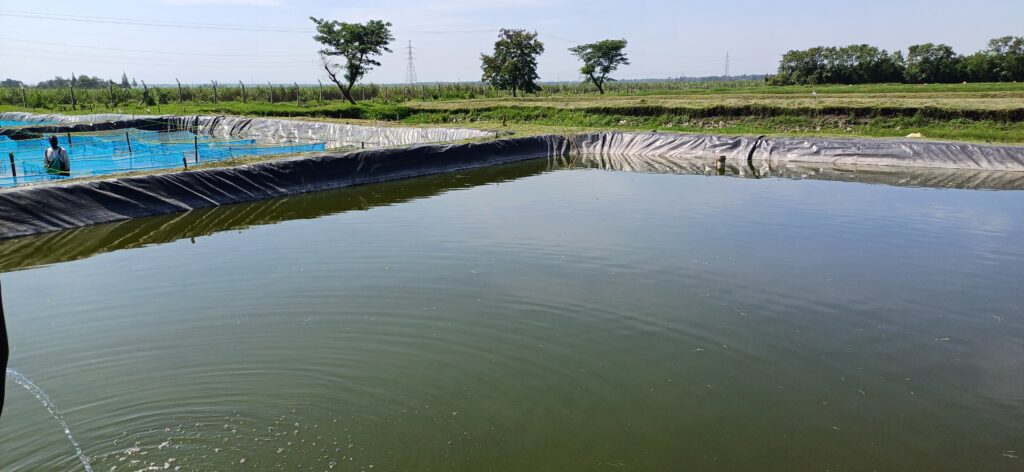
Farmers, fishers and aquaculture actors in the Lake Victoria Basin face climate variability, fragmented data, disease risks, market barriers and limited access to usable digital tools. D2.2 shows that these challenges are not only technical, but also linked to governance, data coordination and policy implementation gaps.
What KijaniSpace did
KijaniSpace convened ideation workshops in Kisumu, Kenya and Musoma, Tanzania to connect local experience with Space-IoT innovation. The workshops brought together government agencies, research institutions, SMEs, farmer cooperatives, Beach Management Units, youth innovators and civil society actors to identify challenges, co-design solutions and prioritise practical use cases.
Policy alignment
The D2.2 findings align KijaniSpace with local and national development priorities by grounding Space-IoT solutions in farmer, fisher, county/regional authority and institutional needs. The report specifically links the project approach to Kenya’s Bottom-Up Economic Transformation Agenda, Tanzania’s national development frameworks and the Sustainable Development Goals for food security and climate action.
At regional level, the work also supports the Lake Victoria Basin agenda by addressing shared challenges around climate resilience, fisheries, aquaculture, water quality, data access and sustainable resource management. At EU level, the participatory design-thinking process reflects Horizon Europe principles of co-creation, inclusivity and impact-oriented innovation.
What was learned
Stakeholders do not need more complex data portals. They need locally adapted tools that translate Earth Observation and IoT data into simple guidance, alerts and decisions.
Why it matters
D2.2 provides an evidence base for moving from stakeholder needs to pilot implementation. It helps ensure that KijaniBox-related applications are not developed in isolation, but are aligned with real user needs, enabling policy frameworks and adoption conditions.
Next steps
The priority use cases will inform WP4 Talent and Innovation activities and WP5 pilot preparation, while also providing evidence for future policy dialogue and exploitation planning.