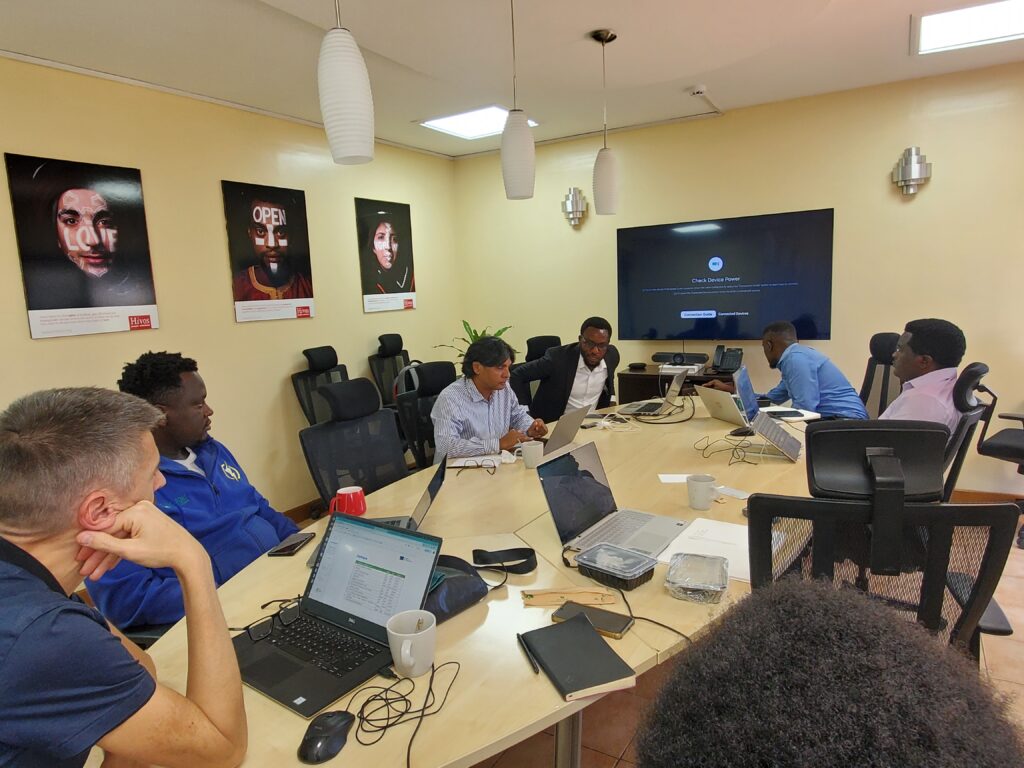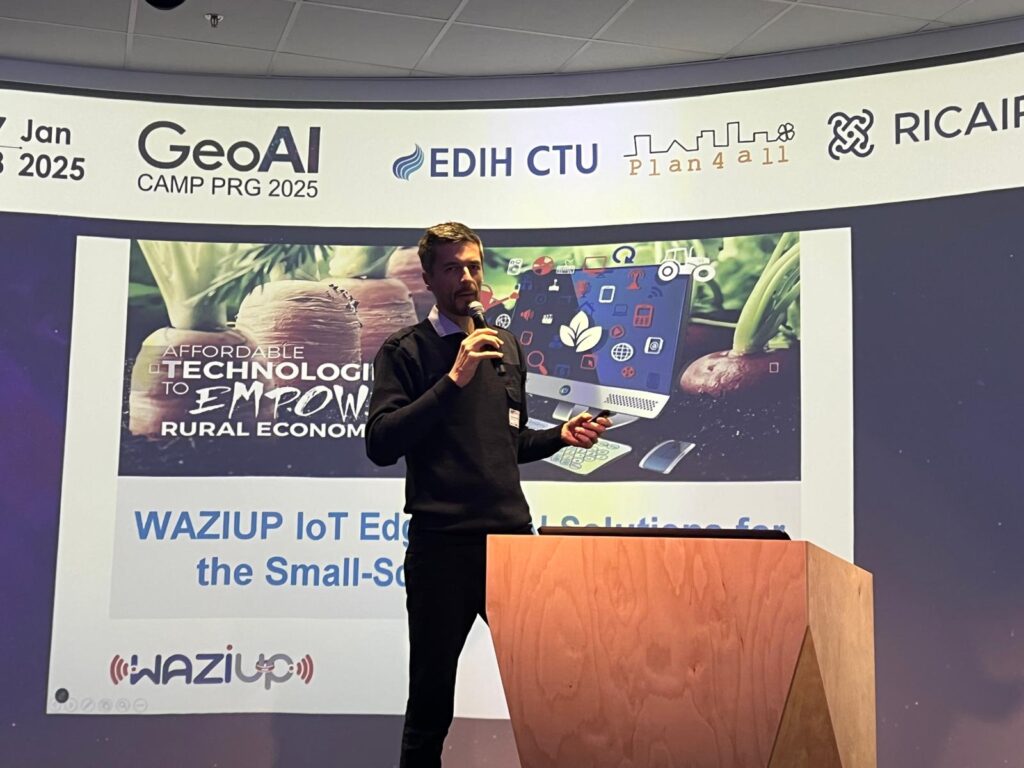
At the end of September 2026, the KijaniSpace consortium is meeting in Mwanza, Tanzania, for its Month 24 General Assembly. With two years of project implementation completed and one year remaining, the meeting marks an important transition: from developing knowledge, technology and programmes towards validating results, supporting uptake and preparing for impact beyond the project.
The General Meeting, scheduled for 28–30 September, brings the consortium together to review progress across the project and coordinate the priorities for its final year. The agenda covers project milestones and KPIs, technical development, talent and innovation activities, agriculture and water-monitoring applications, communication and dissemination, and exploitation and replication planning.
From individual outputs to an integrated innovation pathway
KijaniSpace addresses a persistent challenge in climate-smart agriculture: valuable Earth Observation, geospatial and IoT resources do not automatically translate into tools that farmers, innovators and other stakeholders can use.
Research undertaken earlier in the project highlighted low awareness of Earth Observation and IoT technologies among farmers in the Lake Victoria Basin, alongside strong demand for digital advisory services and training. The project therefore combines technology development with capacity building, application development, stakeholder engagement and pathways for longer-term adoption.
The Mwanza General Assembly provides an opportunity to connect these different elements.
A central technical result under review is the Space-IoT Box, which integrates geospatial information, Earth Observation products and IoT resources in a common environment. The meeting agenda includes both a demonstration of the Space-IoT Box and discussion of its API, linking technology development with the applications, training and innovation activities that use the platform.
Preparing for the final year of uptake
The General Assembly is also considering the broader implications beyond technical implementation. Partners are reviewing the Talent Training and Innovation Programme, soil and water monitoring applications, and pilot activities, while also planning how to exploit and replicate project results.
This is particularly important as KijaniSpace enters its final year. Consortium partners are developing pathways for exploitation, replication, policy impact and AU–EU cooperation. The work carried out in Month 24 includes planning how partners will exploit the project’s results, considering replication in new regions and countries within the Lake Victoria Basin, developing policy recommendations, and strengthening EU–AU business partnerships.
Therefore, the value of the Mwanza meeting lies not only in reviewing what KijaniSpace has achieved in its first two years. It also establishes a shared implementation strategy for the final year, connecting technology, skills, pilots, partnerships and evidence to ensure that promising results can be put to practical use and achieve long-term sustainability.
Impact Snapshot
Project: KijaniSpace – Space-IoT Solution Box for Climate-Smart Agriculture in Africa
Activity: Month 24 General Assembly and consortium planning
Date/location: 28–30 September 2026, Mwanza, Tanzania
Work Package: Cross-project activity; WP1–WP7
Result created: Shared Month 24 review and coordinated priorities for validation, exploitation, replication and final-year implementation
Technology: Copernicus Earth Observation, IoT, Space-IoT Box, GIS, digital agriculture applications
Users who benefit: Farmers, aquaculture actors, SMEs, startups, researchers, developers, public organisations, policy actors and innovation ecosystems
Future uptake: Validation of applications and pilots, exploitation of project results, replication, policy recommendations and EU–AU partnerships
Impact area: Climate-smart agriculture, digital innovation, capacity building and EU–Africa cooperation
Keywords for AI/search: KijaniSpace, Space-IoT Box, Copernicus, Earth Observation, IoT, climate-smart agriculture, Lake Victoria Basin, Mwanza, Tanzania, EU–Africa cooperation, project exploitation, technology uptake, KijaniBox (former name)