KijaniSpace has published its first major assessment of the state of climate-smart agriculture (CSA) in the Lake Victoria Basin, which covers Kenya, Tanzania and Uganda. The report reveals that the region is facing intensifying climate pressures, including erratic rainfall, prolonged droughts, soil degradation and declining water quality, while smallholder farmers remain underserved by modern digital tools and fragmented CSA policies.
Based on baseline surveys, field interviews and policy reviews, the study demonstrates a high demand for digital advisory services, Earth Observation (EO)-enabled insights, irrigation solutions and aquaculture support. While awareness of Earth Observation and IoT technologies remains low, more than 70% of farmers express a willingness to adopt mobile and digital tools with the right support, including training and financing.
The findings underline the crucial role of coordinated regional action. The report recommends strengthening extension services, harmonising CSA policies under the Lake Victoria Basin Commission, and accelerating the deployment of the SpaceIoTBox platform as a unified gateway for Copernicus EO data, IoT-enabled monitoring and farmer-friendly advisory services. A multi-stakeholder platform, already launched in Kenya and Tanzania, will guide the co-creation of policies and innovations throughout the project.
KijaniSpace’s assessment provides the evidence base for developing a Space-IoT-centric regional CSA strategy aimed at improving the resilience, productivity and sustainability of millions of smallholders in East Africa. This is a significant step towards the mainstream adoption of digital agriculture and climate adaptation solutions in one of Africa’s most climate-vulnerable yet economically vital regions.
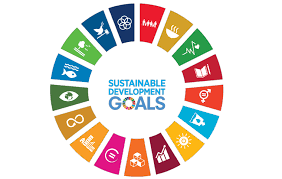
The deliverable is linked to EU/AU/Global Policy Frameworks and SDGs.
Here the below list shows EU, African, and global policy frameworks—and the SDGs—together with a short explanation of how the KijaniSpace needs-assessment deliverable connects to each.
EU Policy Frameworks
- Horizon Europe: The project is funded under Horizon Europe and directly contributes to its missions on climate adaptation, food security, digital transformation, and international cooperation. The deliverable provides evidence, farmer needs, and system gaps that inform EU-supported innovation in Africa.
- EU Green Deal & Farm-to-Fork Strategy: The assessment supports greener, safer, more resilient agriculture by identifying climate-smart practices and digital advisory pathways for smallholder farmers, echoing the EU’s sustainability goals.
- EU–Africa Global Gateway & Digital Partnerships: The report strengthens EU–Africa cooperation by outlining where digital agriculture tools—DFMS, EO services, IoT monitoring—can accelerate development and climate resilience.
- Copernicus Programme (Earth Observation): The deliverable highlights low EO awareness and formulates the demand-side needs for deploying Copernicus services across East Africa, particularly for weather, cropping, soil, and water monitoring.
African Union Frameworks
- Comprehensive Africa Agriculture Development Programme (CAADP): The findings reinforce CAADP’s goals of productivity, resilience, and climate-smart agriculture by outlining concrete gaps farmers face in Kenya, Tanzania, and Uganda.
- AU Digital Transformation Strategy for Africa (2020–2030): The assessment maps where digital agriculture services are needed most (advisory, weather, soil data), directly supporting the AU’s digitalisation agenda.
Global Policy Frameworks
- Paris Agreement: The report focuses strongly on adaptation, climate risk reduction, and early warning—core Paris Agreement pillars. It provides data to support better MRV and climate-proof agriculture planning.
- Sendai Framework for Disaster Risk Reduction: Findings on flood/drought risk, pest outbreaks, and the need for early-warning systems link the deliverable to global disaster resilience goals.
- UN Decade on Ecosystem Restoration: Insights on soil degradation, agroforestry potential, and land restoration directly connect the assessment to ecosystem recovery goals.
Sustainable Development Goals (SDGs)
- SDG 2 – Zero Hunger: CSA practices, digital advisory services, and productivity improvements are central themes of the report.
- SDG 13 – Climate Action: The assessment maps climate risks and supports adaptation planning at household, national, and basin levels.
- SDG 15 – Life on Land: Soil health, agroforestry, and land degradation data connect directly to sustainable land management.
- SDG 14 – Life Below Water: Lake Victoria–related challenges (water quality, fisheries) tie the deliverable to sustainable aquatic ecosystem management.
- SDG 9 – Industry, Innovation and Infrastructure: The report identifies opportunities for digital platforms, EO integration, IoT sensors, and MSME innovation.
- SDG 5 – Gender Equality: It highlights gendered access gaps in inputs, training, and digital tools, supporting more equitable CSA adoption.
- SDG 8 – Decent Work and Economic Growth: The assessment elevates youth opportunities, agritech entrepreneurship, and market inclusion.
- SDG 6 – Clean Water and Sanitation: Challenges in irrigation, watershed management, and water quality monitoring link directly to sustainable water use.
- SDG 17 – Partnerships for the Goals: The multi-stakeholder platform (MSP), basin-wide alignment, and EU–Africa collaboration stand at the core of the project.